Blizzards, tornadoes, record-breaking heat, a dust storm—and that’s just one weekend! While March has long had a meteorological reputation of being volatile, it is no longer alone when it comes to whipsawing weather conditions.
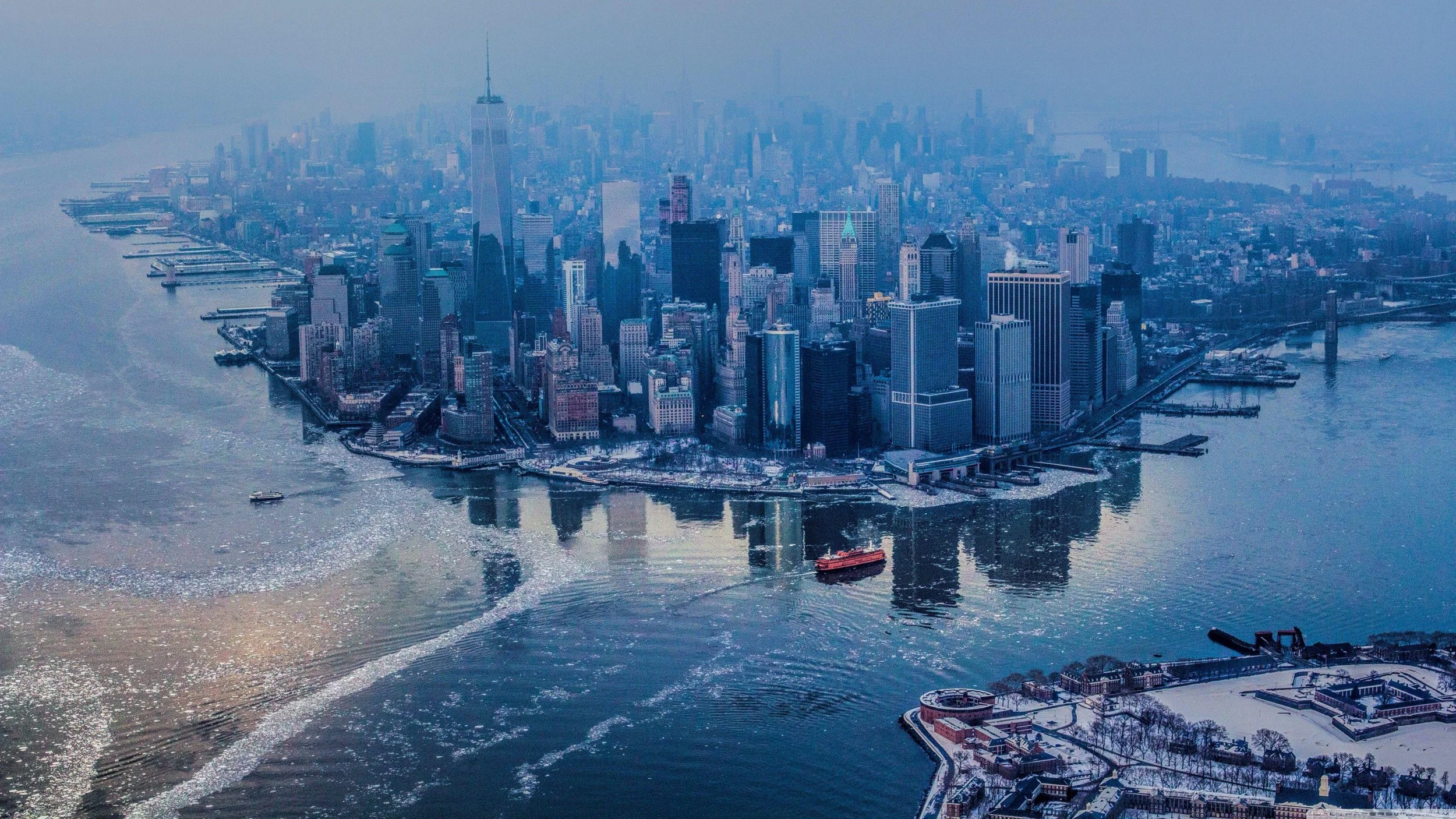
People in countless communities, in the U.S. and around the world, are experiencing more extreme weather events, more often. In February, New York City was buried under record snowfall levels not seen since 1972. Last October, New Yorkers were flooded with rainfall breaking records going back as far as 1917. And on June 24, 2025, Central Park sweltered under a 96-degree temperature that shattered a 137‑year‑old record, last set in 1888.
As Albert Einstein once quipped “One need only think of the weather, in which case the prediction even for a few days ahead is impossible.” So while weather remains immutable, what is predictable are long-term directional trends for the climate (a quick reminder: weather is the short-term condition of the atmosphere in a specific place, over a duration of hours to days; climate is the long-term pattern of weather in a region, based on 30+ years of data, showing typical conditions, lows and highs).
And all the trends are clearly pointing in one direction: heat-trapping air pollution, caused by the combustion of carbon-based fuels, is accelerating and intensifying climate-related natural disasters—whether the Palisades and Eaton firestorms in Los Angeles, the 40+ tornadoes in St. Louis, or the first-ever blizzard warnings in New Orleans.
So, it’s particularly vexing to see a state that introduced one of the country’s most ambitious laws to reduce greenhouse gas emissions—2019’s Climate Leadership and Community Protection Act (CLCPA)—now cede their aspirations prioritizing public health, energy independence, and economic growth, and do so for ill-advised reasons.
State policymakers pushing to rescind key targets and goals in the CLCPA inaccurately argue that the choice facing New Yorkers is between climate action and affordability. That zero-sum narrative simply doesn’t reflect reality.
First, without diversifying our sources of energy and fuel, the key step we must take for lowering emissions and taking climate action, how do we continue to afford more than $101 billion annually in national disaster costs from climate-related catastrophes? How do working families afford rising insurance rates and related increased housing costs? Moreover, as we’ve seen with the recent attack on Iran, dependency on a monopoly commodity means that any shock to its supply change translates directly into pain in drivers’ wallets.
Second, investing in renewables for climate action has clearly demonstrated lowered energy costs and increased affordability. A case in point, in California drivers regularly pay $1–$2.50 less for E85 than regular gasoline thanks to 2010’s Low Carbon Fuel Standard (LCFS). Policymakers could free New Yorkers from oil’s vice-grip by adopting a similar policy to CA’s LCFS: Assembly Bill A472B, the statewide Clean Fuel Standard.
Clean fuel standards are the most successful AND cost-effective policy tool we have for protecting drivers from the cost spikes. In California, thanks to the CFS, drivers have enjoyed a seamless fuel transition. Today, 80% of the state’s petroleum diesel has been displaced by cleaner low-carbon liquid fuels! There are also more EV drivers there because the state uses LCFS credit revenues to fund both point-of-sale rebates for EV purchases and to reduce payback periods for charging stations to incentivize more rapid EV adoption.
When it comes transportation costs: the simplest way to address affordability is to insulate drivers from big swings in fuel prices by giving them the freedom to power their vehicles with cleaner, lower carbon options that compete with petroleum.
It’s often said that March “Comes in like a lion and goes out like a lamb.” Imagine what policymakers could deliver for New Yorkers if they chose to be lions, rather than lambs on climate action. Ultimately, the cost of not taking climate action is the one we can least afford.