
[Spoiler alert: I’m not here to propose either abandoning ILUC or a replacement. That may be a future blog.]
The debate about biofuels has raged for almost two decades. Of the various topics of debate, none has been more strident in the face of less concrete data than the concept of indirect land use change, or ILUC.
In simplest terms, ILUC encapsulates the rightful concern that biofuels produced from food crops could result in deforestation elsewhere. In worst-case scenarios, this theoretical indirect deforestation replaces highly productive native landscapes, for example, replacing rainforests with cultivated agriculture. But because the effect is not directly attributable, observable or measurable, the theoretical replacement crops are most often on the other side of the world and/or are not interchangeable in the same use cases, indirect assessments require an uncomfortable number of theoretical leaps and highly selective assumptions. Hence the ongoing debate.
The concept starts from a righteous place. Precautionary principle is a central pillar for holistically-considered environmental policy. None of us committed to responsible progress want the costs to outweigh the benefits. The problem comes when precaution becomes an ideological crutch, a cudgel, or simply a convenient rationale to impede good policy.
Programs like California’s Low Carbon Fuel Standard (LCFS) can provide an applied example of the difference. All existing clean fuel standards apply a generic ILUC penalty to food crop-based biofuels. The number is a broad stroke approach to make the programs manageable. This avoids the herculean task of assigning individual theoretical scores when even the generic ones require those significant leaps of faith plus added margins for error. While it makes sense for practical simplicity, the approach misses the potential for demonstrable benefits by focusing only on the theoretical cost. By extension, it can outweigh the costs to conveniently limit the role of crop-based biofuels.
But there’s another side to that leaf (or stalk).
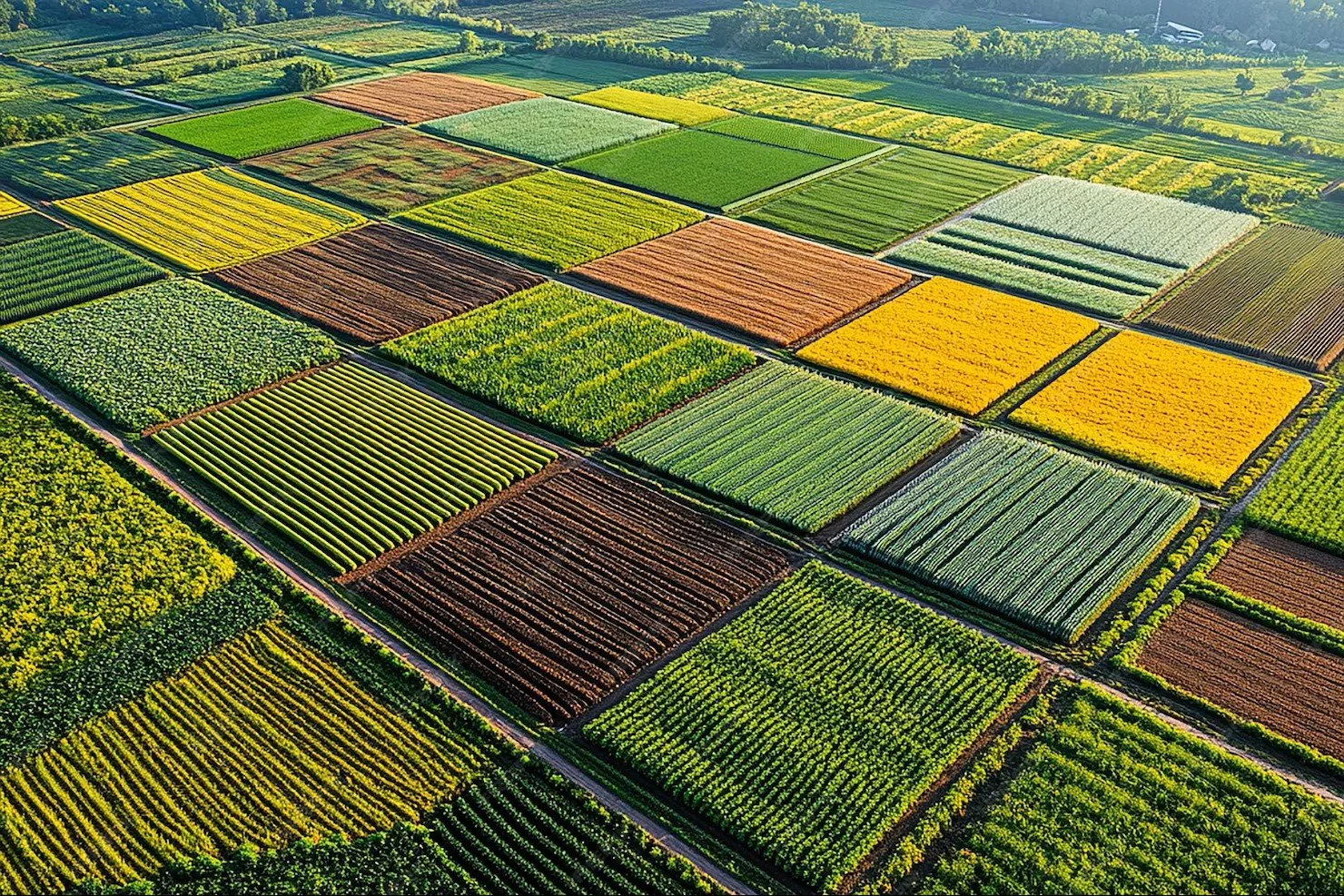
Assessment of the net benefits of crop-based biofuels should also consider the opportunity to incentivize better farming practices that accrue to the benefit side of the equation: lower GHGs in the atmosphere, more carbon sequestration, better soil health, and more productive fields. The evolving new sustainability measures in the LCFS provide a timely opening for California to once again lead the way on policy.
So-called regenerative or climate-smart agricultural practices refer to a variety of ways that farmers can reduce greenhouse gases and other impacts of cultivation. Among them are less fertilizer, no-till, cover crops, rotations, etc. All would require additional layers of documentation and verification, but that ship has mostly sailed with the new sustainability requirements, which accrue new administrative costs without potential benefits to participants. Some practices are easier to implement and track. Those should be first on the list.
While incorporating credits for proving better farming practices is a significant regulatory lift, the benefits can be substantial. Instead of focusing only on indirect land use change for the worst, clean fuel standard programs can be a catalyst to incentivize less change on already used land for the better.