
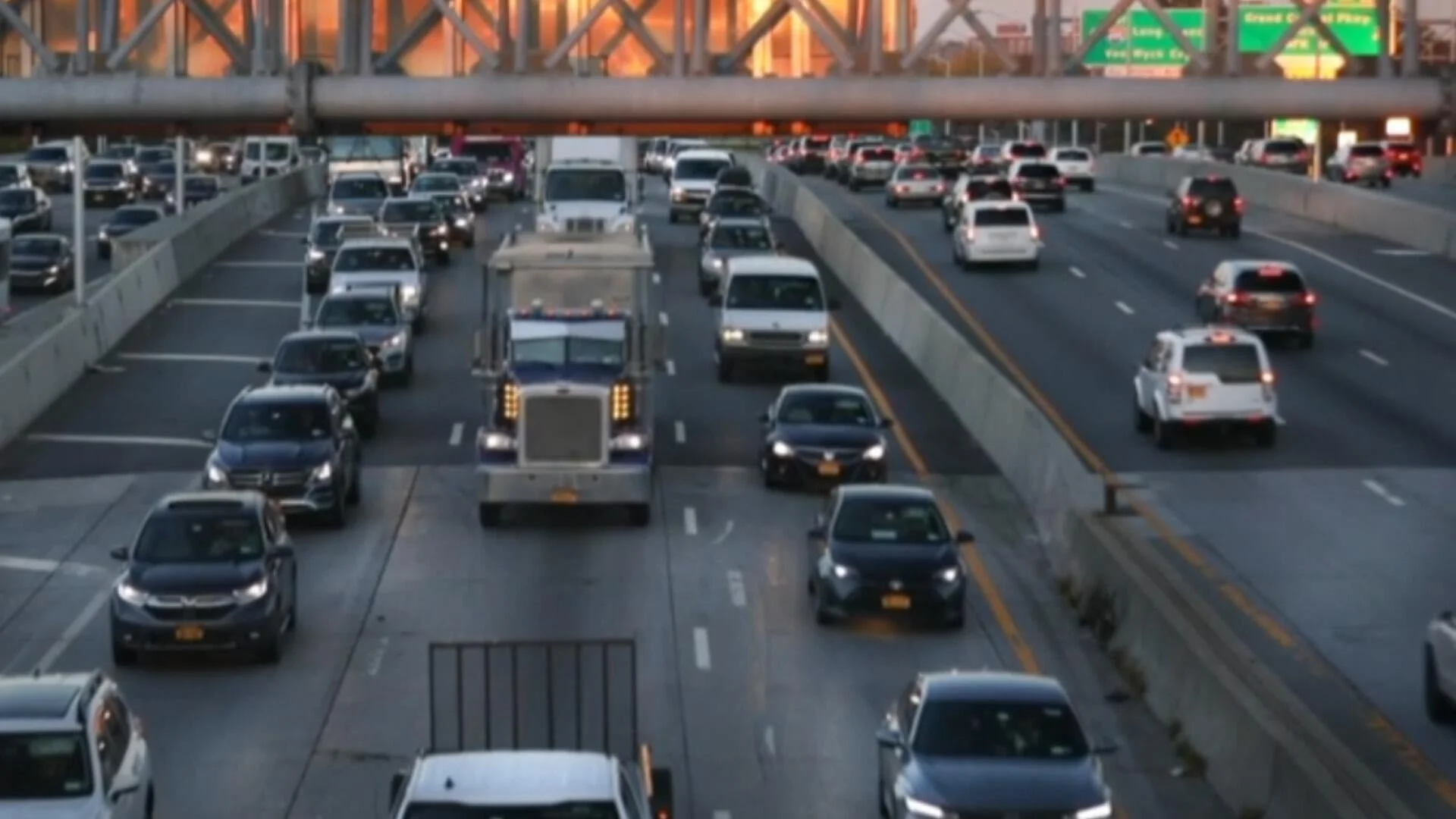
The U.S. EPA has officially revoked its previous determination that GHGs endanger human health and welfare. Athough courts will have the final say, in the meantime we’re left with a calculated uncertainty that rests on the thinnest of rationales, summarized in a single report to replace decades of science and research.
Of the wide-ranging implications, the effect on transportation policy hits closest to home.
The central feature of the decision is a hammer when a scalpel would be better deployed to promote US national interests. Retrograde policy won’t stop the world from progressing to more efficiently use energy, resources or fuels. Nor will it stop companies from pursuing their bottom-line global interests, which include climate goals. It simply handicaps the U.S. from leading the world.
For a country as rich in resources, capital and human talent as ours, this is a tragedy in the making. Leadership should not be voluntarily ceded when others are hungry to capture that mantle.
How is it in our national interest to use more oil in transportation rather than less? Petroleum already has a 90% market share, which has repeatedly proven to have serious strategic consequences. It also hits drivers right in the wallets when far-away saber rattling [MARCH 2, 2026 UPDATE: or actual bombing] or competing national and regional interests drive up oil prices.
Becoming the world’s #1 producer has not and cannot fully shield us from the many costs of overdependence on a global commodity so fundamental to the economic functioning and welfare of every country in the world. The answer is not to triple down on the status quo. It’s to lessen the strategic consequence of oil.
We have abundant energy resources that can be deployed in transportation to diversify away from ‘all oil, all of the time’ and continue to lead the world. Corn ethanol is already a resounding success story. Biodiesel and renewable diesel have grown dramatically, from crops, waste and renewable sources. Renewable natural gas is abundant from dairies and landfills. Electricity has seen dramatic gains as a transportation fuel. We can capture process and atmospheric carbon dioxide for reuse. Renewable fuels from all these sources and more can be used in airplanes, trains and ships.
The possibilities are virtually endless. But we need both the vision and the nerve to look to the future instead of the past.